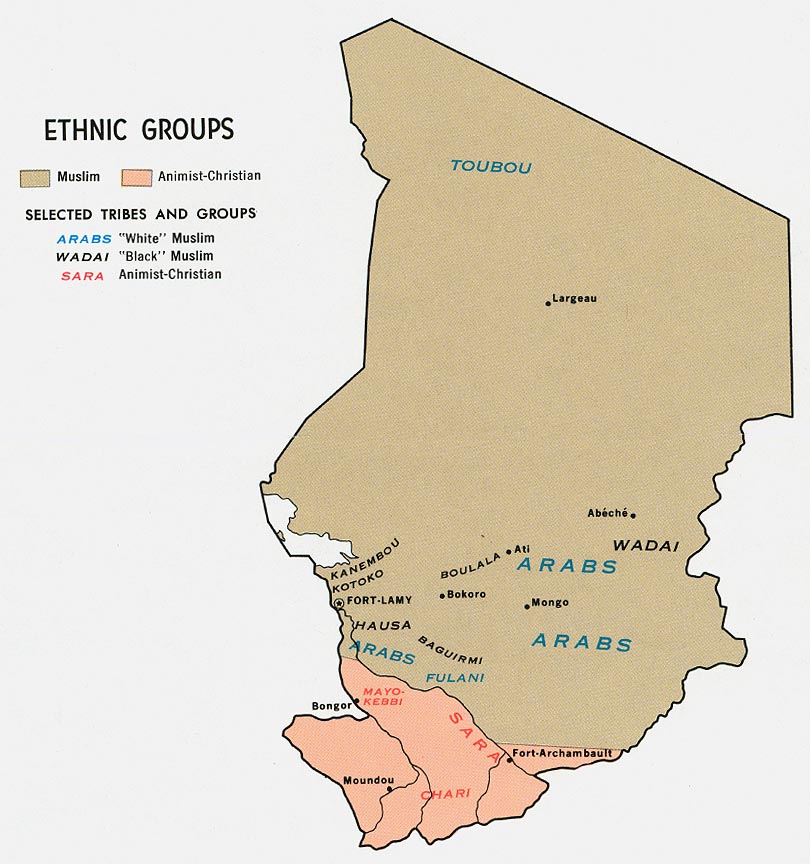
Kado Herde is an ethnic people of southwestern Chad whose identity is closely tied to the Herde language, an Afro-Asiatic, Chadic language spoken in the Mayo-Kebbi Est and Mayo-Kebbi Ouest regions around towns such as Pala and Léré. The language is also known locally in variants as Herdé, He'dé, or Ka'do Herdé, and it serves as a core marker of cultural continuity and communication across villages. For generations, extended families and clan networks have maintained community life in savanna and riverine landscapes, passing down oral history, indigenous knowledge, and ancestral heritage through the Herde language. Linguistic classification identifies Herde as part of a Masa cluster of related languages in southwestern Chad.
Daily life among the Kado Herde revolves around agriculture, family cooperation, and village networks. Farming of staple crops such as millet and sorghum and tending livestock provide sustenance for households, with neighbors and extended relatives often collaborating on planting, harvesting, and food preparation. Villages function as hubs of social connection where storytelling, music, and dance reinforce shared identity and continuity. Many Kado Herde also use regional lingua francas such as Chadian Arabic or French in broader social and economic interactions, yet the Herde language remains central to everyday communication, social bonds, and cultural expression within their communities.
Christianity is the primary faith for many Kado Herde people, and church life plays an important role in spiritual community and moral teaching. Scripture is available in the Herde language, including the New Testament, enabling believers to engage with the Bible in a language they understand. Audio recordings of Bible teaching and evangelistic materials also exist in Herde, supporting both personal and communal access to biblical narratives and Christian instruction. Traditional spiritual concepts emphasizing ancestors and the natural world continue to inform cultural memory for some individuals, yet Christian belief provides the dominant framework for understanding life, relationships, and values across many households.
Kado Herde believers benefit from continued opportunities for spiritual growth and discipleship that are rooted in Scripture and expressed in their own linguistic context. Support for local church leadership through biblical training, mentorship, and culturally appropriate teaching resources can help pastors and teachers serve with wisdom and humility. Families and youth especially benefit from resources that connect Christian teaching with daily life, strengthening faith formation across generations. Providing platforms for Scripture engagement and fellowship among village congregations can nurture unity and resilience among believers.
Pray that the Kado Herde would grow in their love for Christ and depth of understanding of God's word.
Pray for pastors and church leaders to lead with humility, wisdom, and steadfast commitment to biblical truth.
Pray for families to be strengthened in faith, unity, and compassion, with children and youth nurtured in Christ-centered values.
Pray for vibrant engagement with scripture in the Herde language, bringing insight, transformation, and hope.
Pray that the Kado Herde community would have a clear and gracious vision to share the hope of Christ with neighboring peoples in culturally respectful ways.
Scripture Prayers for the Kado Herde in Chad.
https://fr.wikipedia.org/wiki/Herd%C3%A9
https://www.ethnologue.com/language/hed
https://dbs.org/en/research/languages/hed
https://megavoice.com/media-cloud/m018647-words-of-life-1-hed-kado-audio-bible/
| Profile Source: Joshua Project |